Facts About Bhutan

Interesting facts that make Bhutan unlike anywhere else.

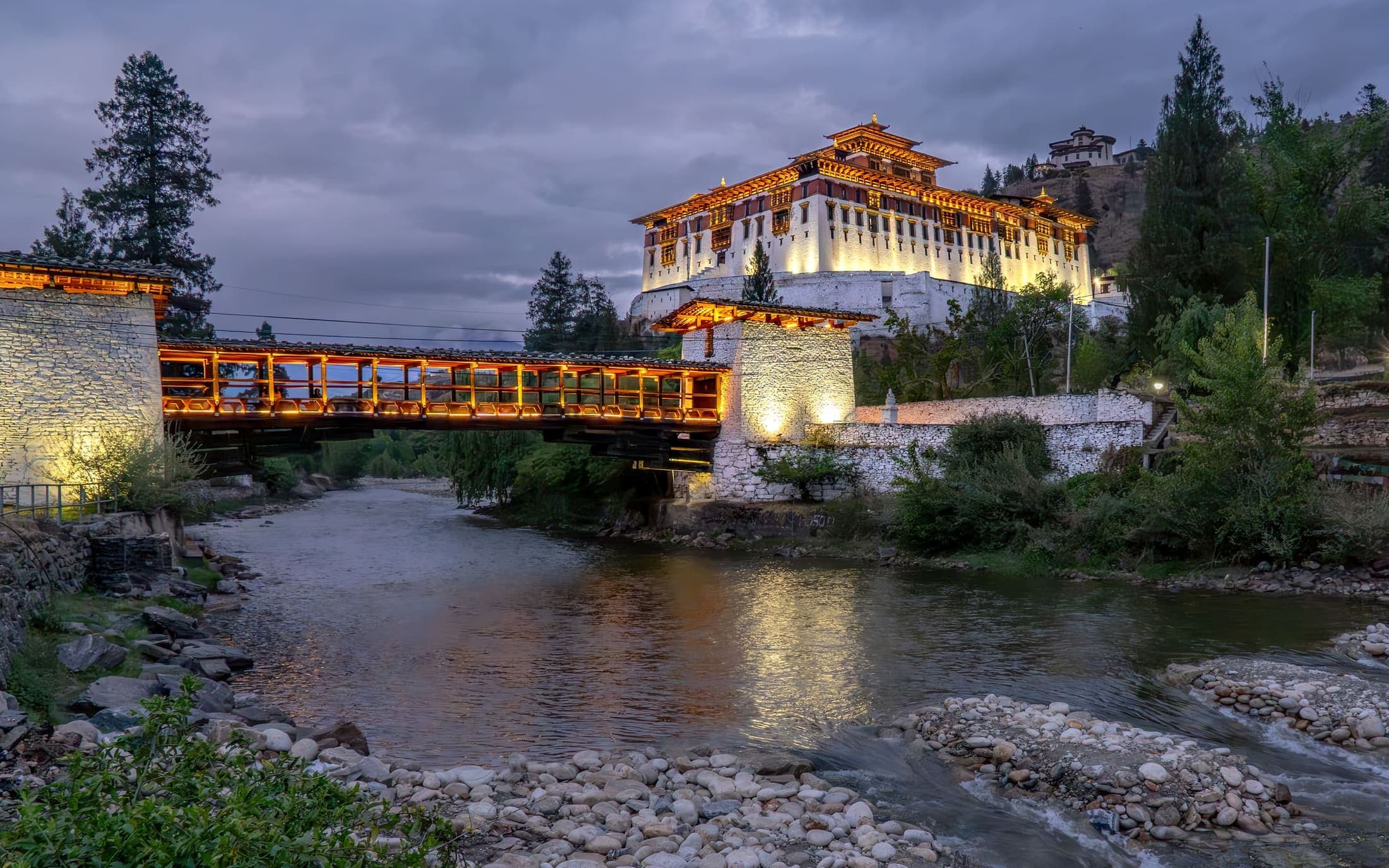
Bhutan is shaped by sacred mountains, protected forests, living Buddhist culture, peaceful democratic transition, Paro’s dramatic mountain airport, and a development philosophy that places wellbeing at the centre.

Democracy and royal transition
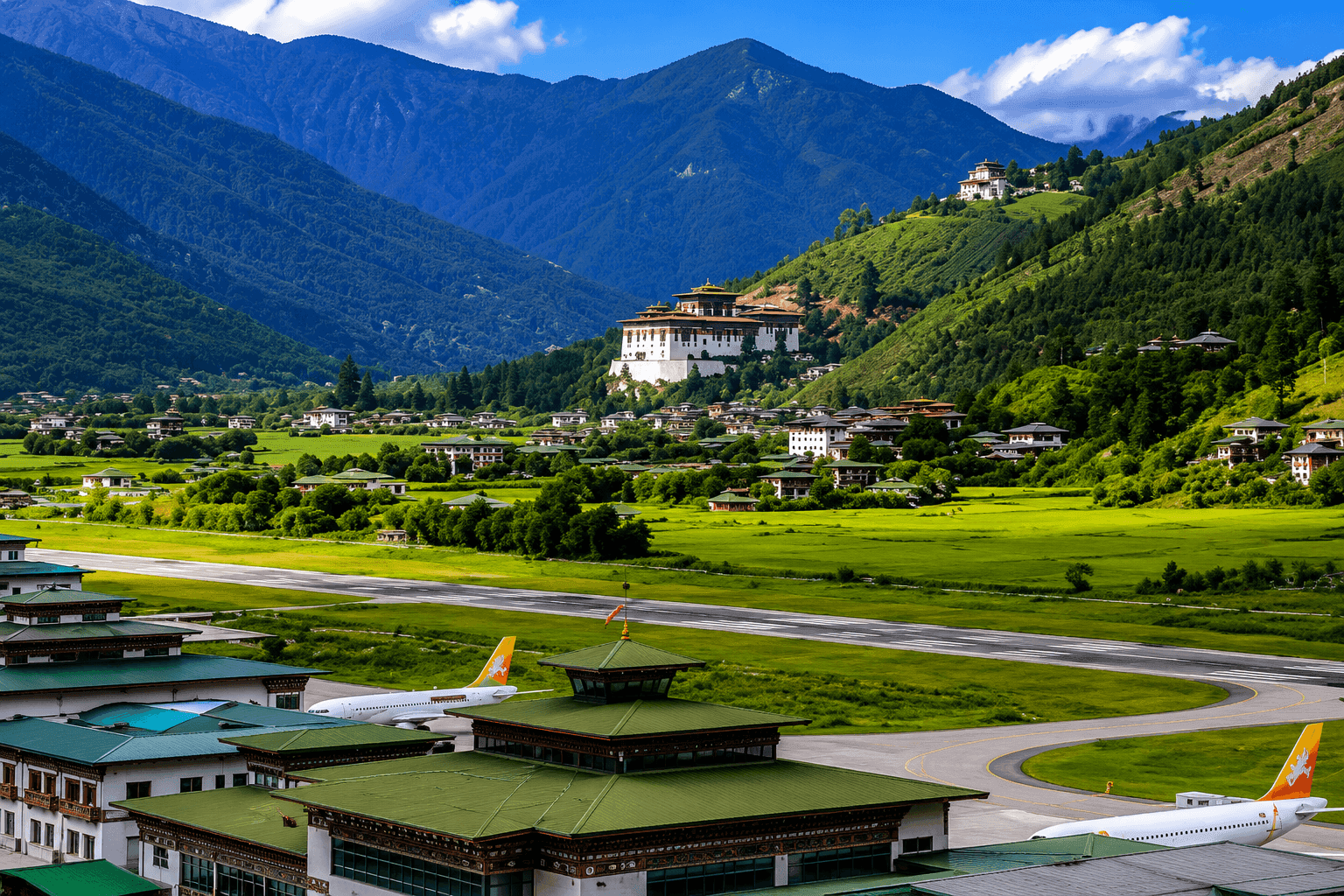
Paro Airport gateway
Culture, nature, and GNH
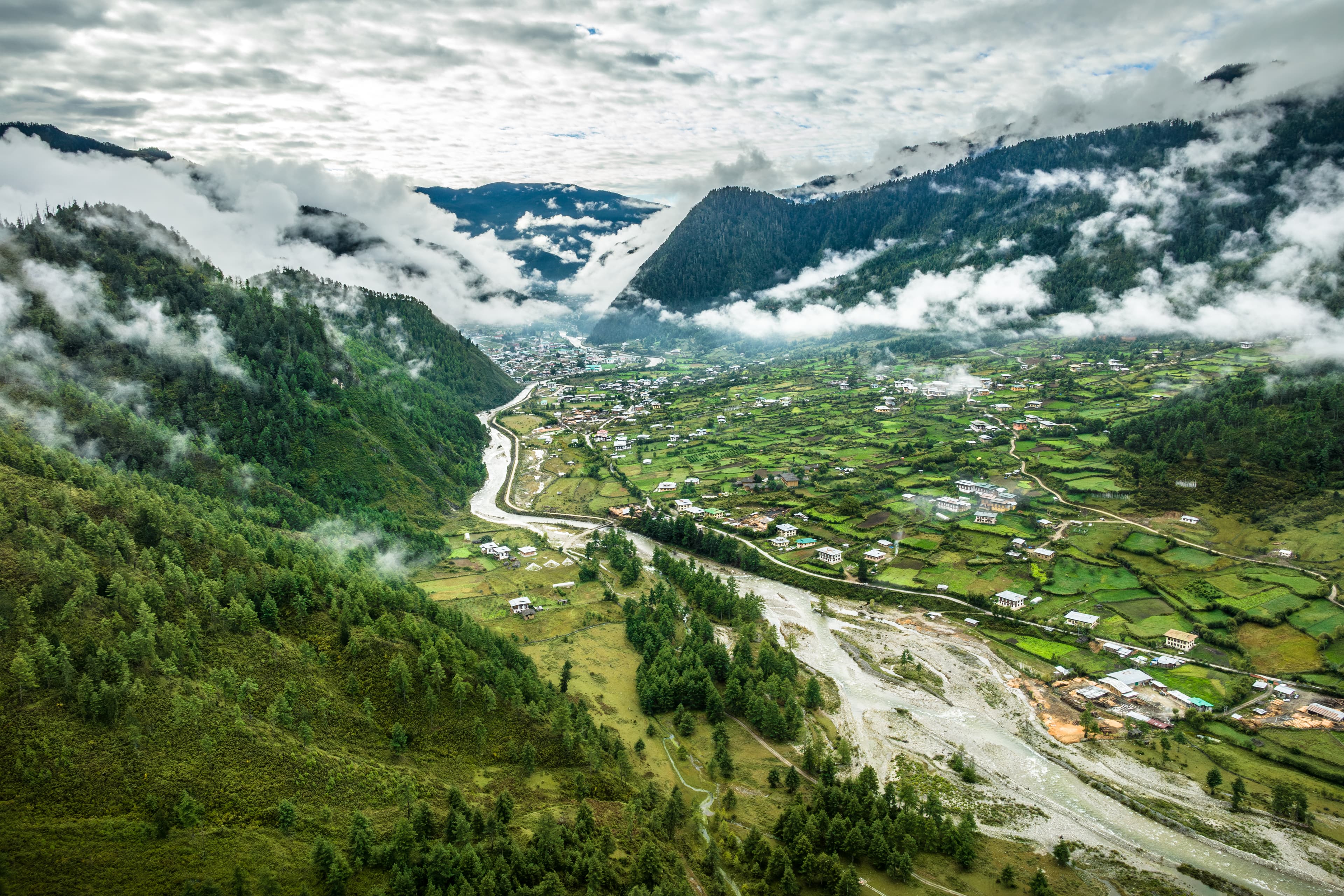
Scenic Bhutan landscape
© Carissa Nimah
Quick InsightA small kingdom with a powerful identity.

Culture, environment, spirituality, architecture, food, democracy, and national values are woven into daily life.

70%+Forest Coverage
60%Constitutional Forest Minimum
2008Democratic Constitutional Monarchy
2Houses of Parliament
1International Airport at Paro
38,394 km²Total Area
GNHWellbeing Philosophy
GMCGelephu Mindfulness City Vision

Bhutan is a democratic constitutional monarchy built through a peaceful royal transition.

Bhutan’s democracy is unique because it was not born through revolution. The monarchy deliberately guided the country toward elected government, a written constitution, and parliamentary democracy.

01 / System of Government

Democratic Constitutional Monarchy

Bhutan is a democratic constitutional monarchy: the Druk Gyalpo is the Head of State, while elected representatives form the government through parliamentary elections.

The Constitution defines the modern democratic framework.
The Prime Minister and government are formed through elected political leadership.
The system balances monarchy, parliament, law, and public participation.
02 / Parliament

Bicameral parliamentary democracy

Bhutan’s Parliament has two houses: the National Council and the National Assembly, with elected representatives playing a central role in lawmaking and national debate.

The National Assembly is the lower house and is party-based.
The National Council is the upper house and acts as a house of review.
Parliament connects national policy with the voices of districts and voters.
03 / Unique Transition

Democracy was handed to the people

One of Bhutan’s most remarkable political facts is that democracy was encouraged by the monarchy itself, rather than forced by unrest or revolution.

The Fourth King guided decentralization and democratic reforms.
The transition culminated in the Constitution and parliamentary elections.
This peaceful handover is a major part of Bhutan’s modern identity.
04 / Local Governance

Citizens vote from national to local levels

Democracy in Bhutan is not only national. Local governments, districts, gewogs, and communities also form part of Bhutan’s democratic governance structure.

Citizens participate through regular elections and civic processes.
Local leaders help connect national plans with village-level needs.
The democratic culture continues to mature with each election cycle.

Explore the stories behind Bhutan’s most fascinating facts.

Name & Identity

Bhutan is Druk Yul, the Land of the Thunder Dragon.

Bhutan is known locally as Druk Yul. The dragon is not only decorative; it represents the spiritual and cultural identity of the kingdom.

Druk means thunder dragon in Bhutanese cultural context.
The dragon appears on Bhutan’s national flag.
Bhutanese people are often referred to as Drukpa.
The name reflects Bhutan’s identity as a Himalayan Buddhist kingdom.

A kingdom shaped by mountains, forests, rivers, and valleys.

Bhutan’s small size hides dramatic variety: subtropical foothills, fertile valleys, high passes, alpine meadows, sacred peaks, and wildlife-rich forests.

Forest landscape in Bhutan
© Carissa Nimah
High mountain pass in Bhutan
© Scarlette DG
Mountain valley in Bhutan
© Carissa Nimah

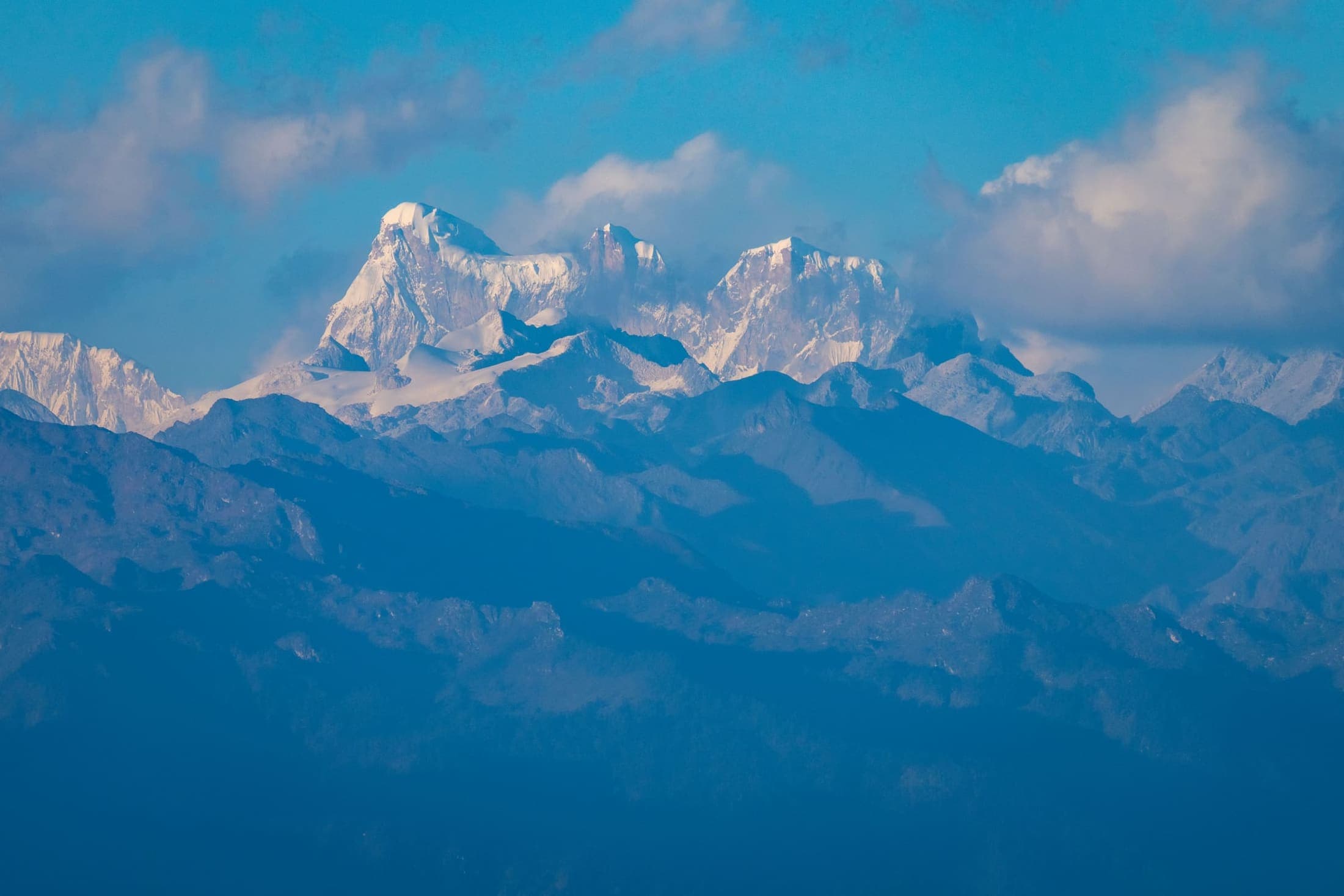
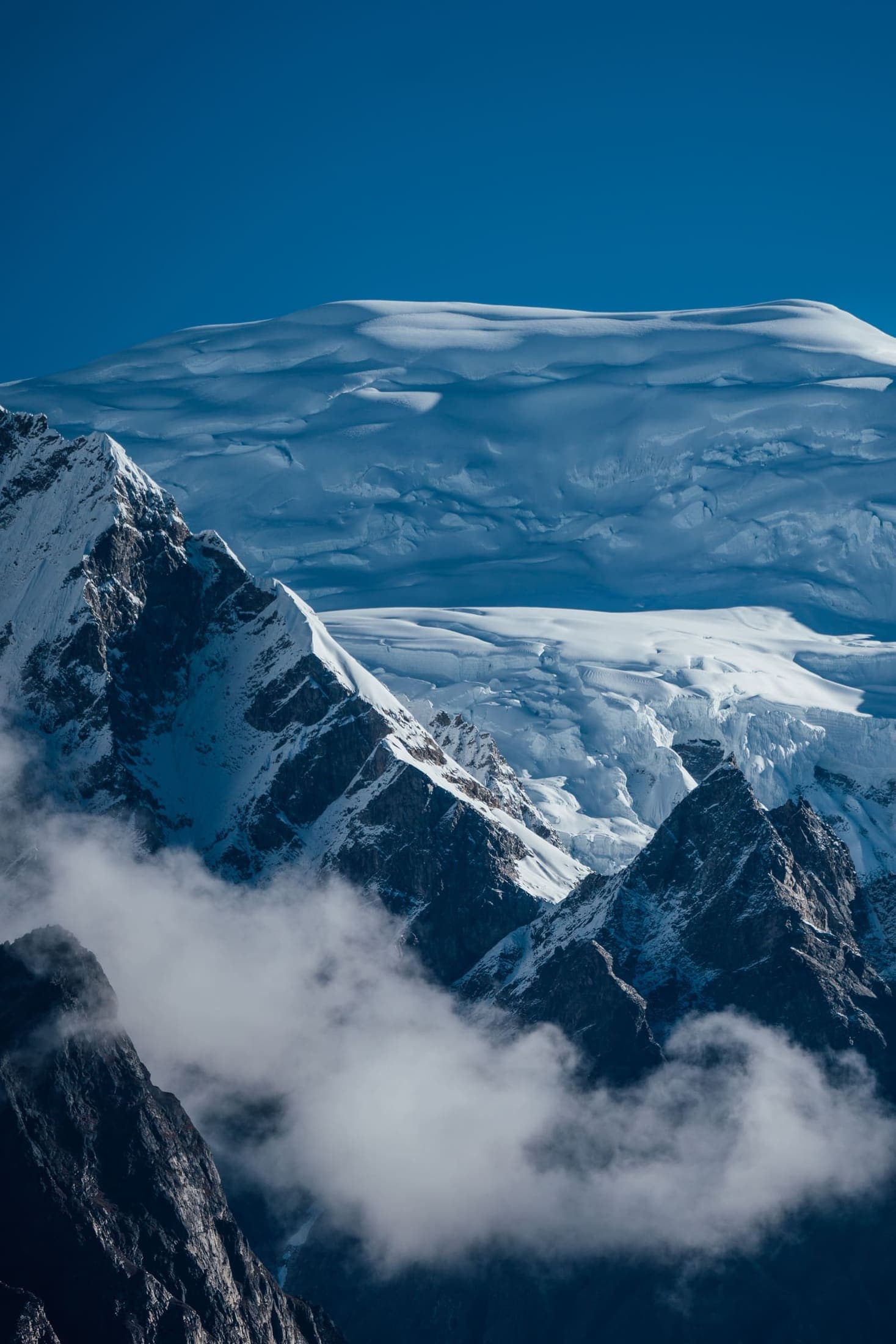
High Himalayan Peaks

Bhutan is home to dramatic Himalayan peaks, high passes, deep valleys, and scenic mountain routes.

Protected Forests

Forests are central to Bhutan’s identity, environment, and commitment to conservation.

Carbon-Conscious Nation

Bhutan is widely known for strong environmental values and for absorbing more carbon than it emits.

Diverse Landscapes

The country ranges from subtropical valleys to alpine regions, creating rich biodiversity and varied travel experiences.

One of the world’s most memorable airport arrivals.

Paro International Airport is Bhutan’s main international gateway and one of the first impressions many visitors have of the kingdom.

Paro International Airport and mountain valley approach
© Unseen Himalayas
Gateway to Bhutan

Why Paro Airport feels different

Unlike large urban airports, Paro International Airport is part of the landscape itself. The mountain setting, valley approach, and short transfer to cultural sites make the arrival feel like the first chapter of the tour.

01
Gateway

Bhutan’s main international arrival point

Paro International Airport is the airport through which most international visitors enter Bhutan, making the Paro Valley the first chapter of many Bhutan journeys.

02
Mountain Approach

A scenic and technically demanding landing

The airport sits in a narrow Himalayan valley, so flights are closely connected to mountain weather, visibility, and daylight operating conditions.

03
Travel Planning

Convenient for Paro and Thimphu itineraries

Paro Airport is close to Paro town and connected by road to Thimphu, which is why most Bhutan itineraries begin or end with Paro and Tiger’s Nest.

Symbols that carry Bhutan’s identity.

National Symbols now use the same professional tab-panel interaction: choose a symbol and view its meaning, image, and cultural notes.

National Animal

Takin

The takin is a rare and unusual Himalayan animal linked with Bhutanese folklore and mountain ecology.

A unique-looking Himalayan animal strongly associated with Bhutan.
Connected with Bhutanese folklore and mountain ecology.
Often introduced at the Takin Preserve in Thimphu.
A memorable symbol because it feels unlike ordinary national animals.

Living heritage in everyday life.

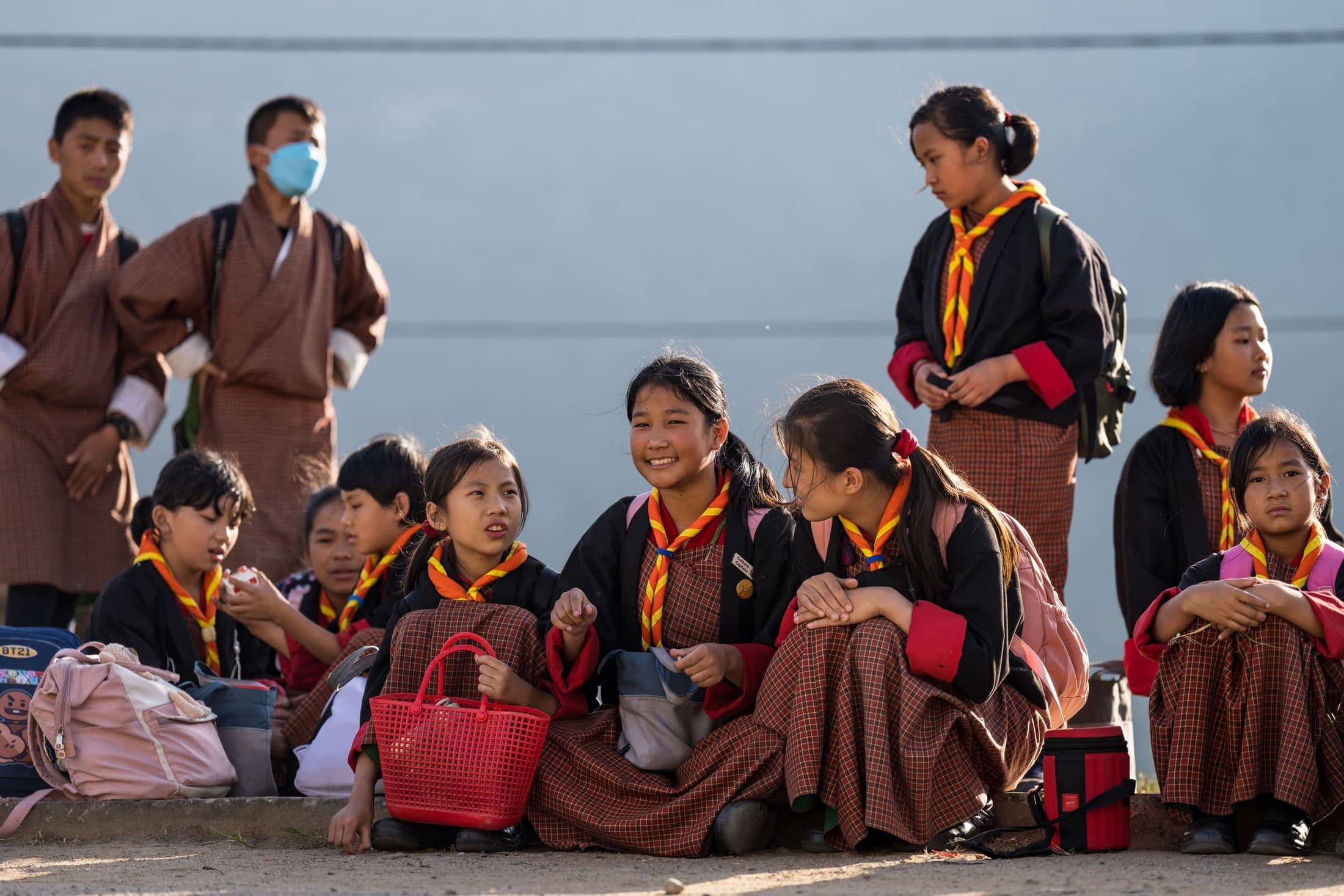
Bhutanese traditional dress
© Marcus Westberg
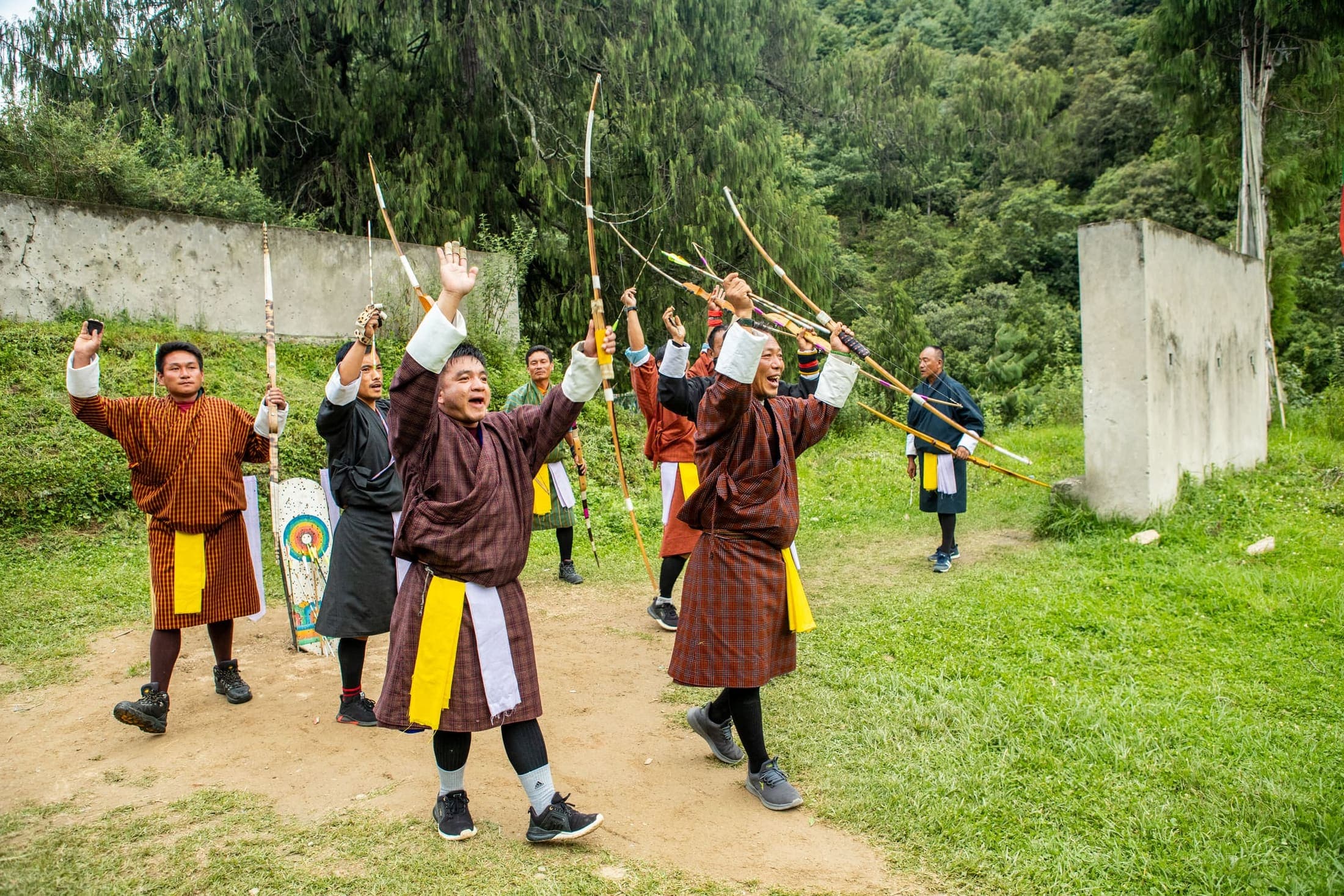
Bhutanese archery
© Carissa Nimah
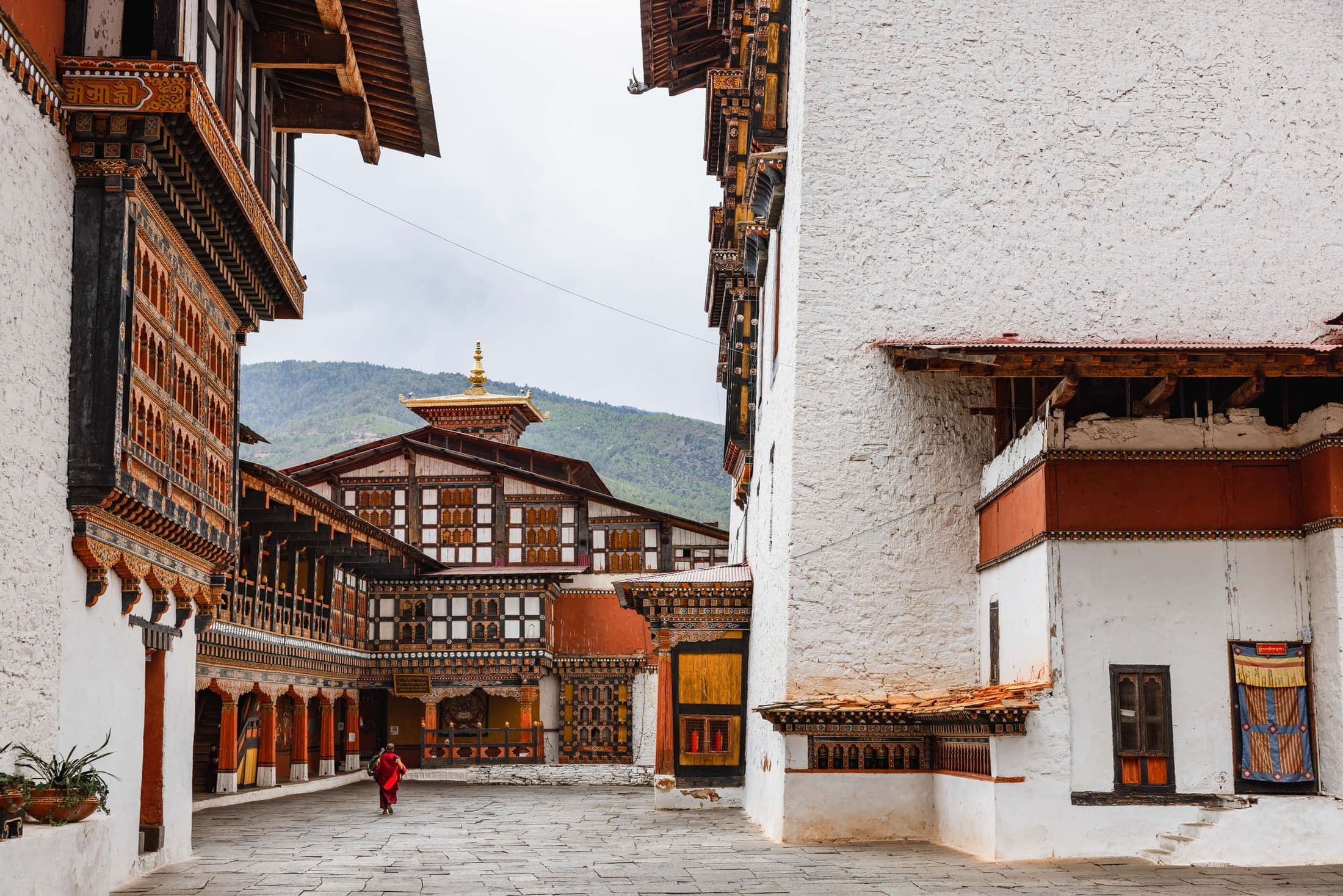
Bhutanese monastery ceremony
© Ben Richards
01

Traditional Dress

The Gho and Kira remain important symbols of Bhutanese identity and are worn proudly in formal and daily settings.

02

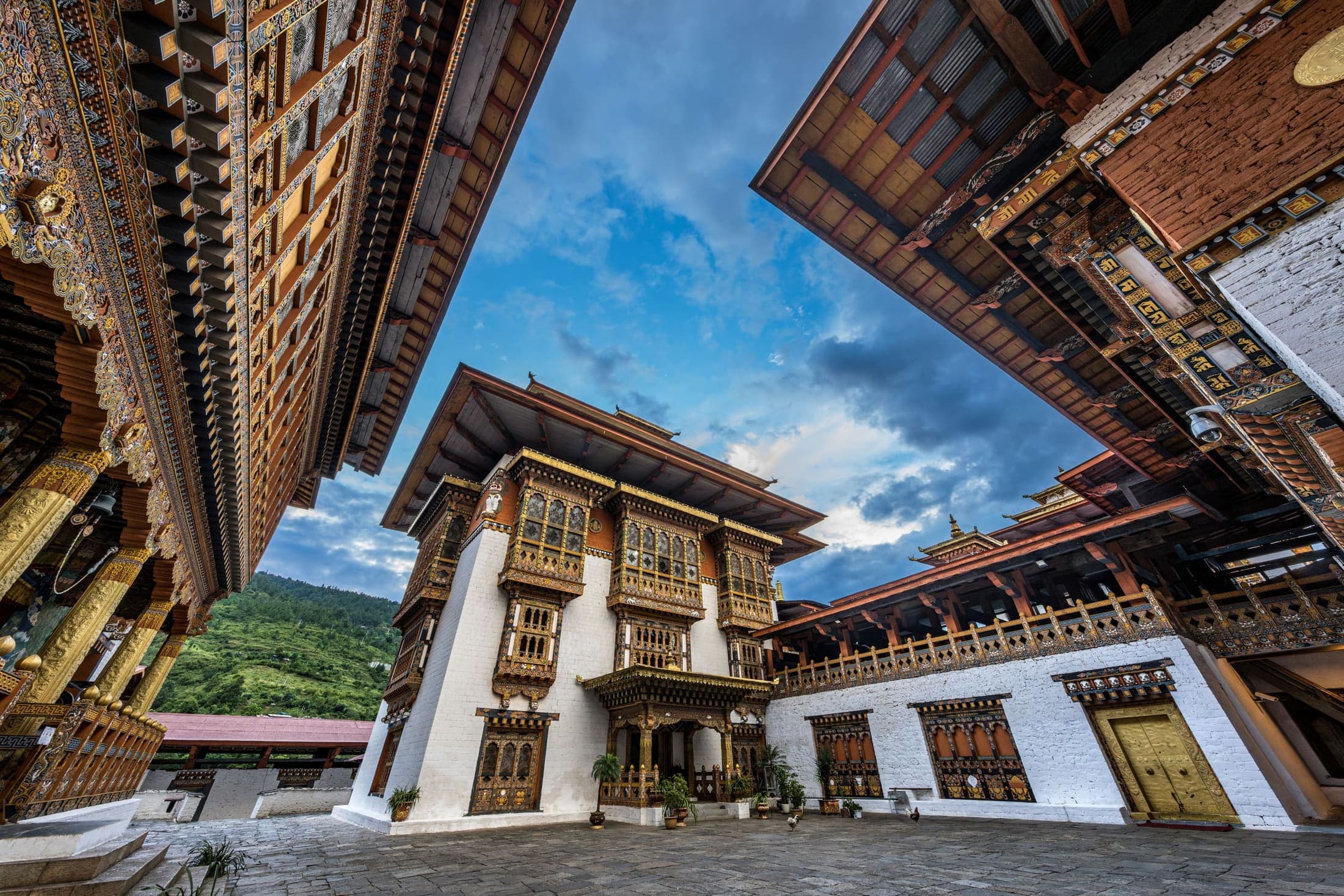
Dzongs

These fortress-monasteries are among Bhutan’s most iconic architectural and spiritual landmarks.

03

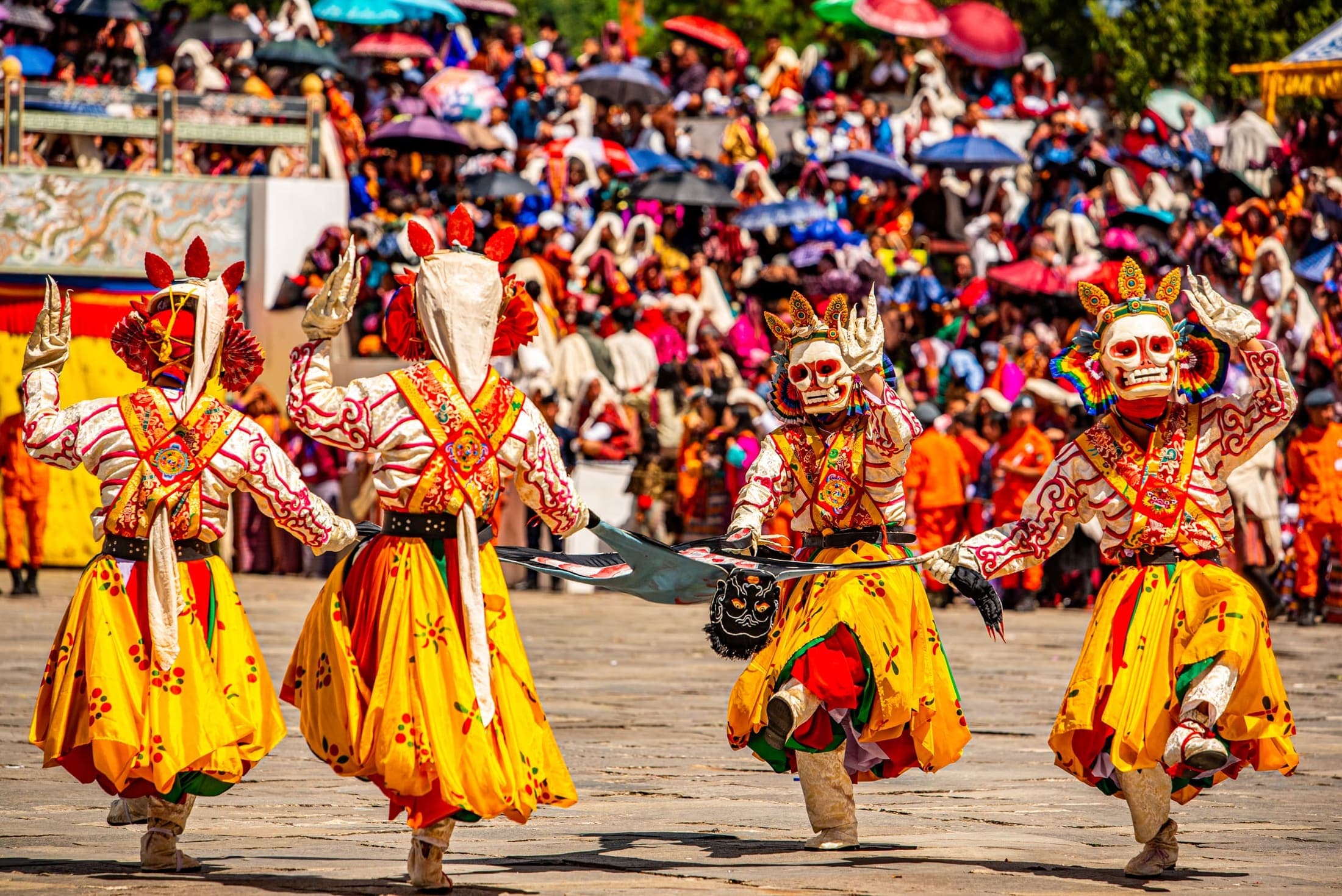
Mask Dances

Sacred Cham dances are performed during festivals and carry deep religious and cultural meaning.

04

Archery

Archery is Bhutan’s national sport and is often enjoyed with music, friendly rivalry, and community spirit.

Key moments that shaped Bhutan’s spiritual, political, and modern identity.

A simplified timeline for travelers who want to understand Bhutan before they arrive.

8th Century

Guru Rinpoche’s sacred legacy

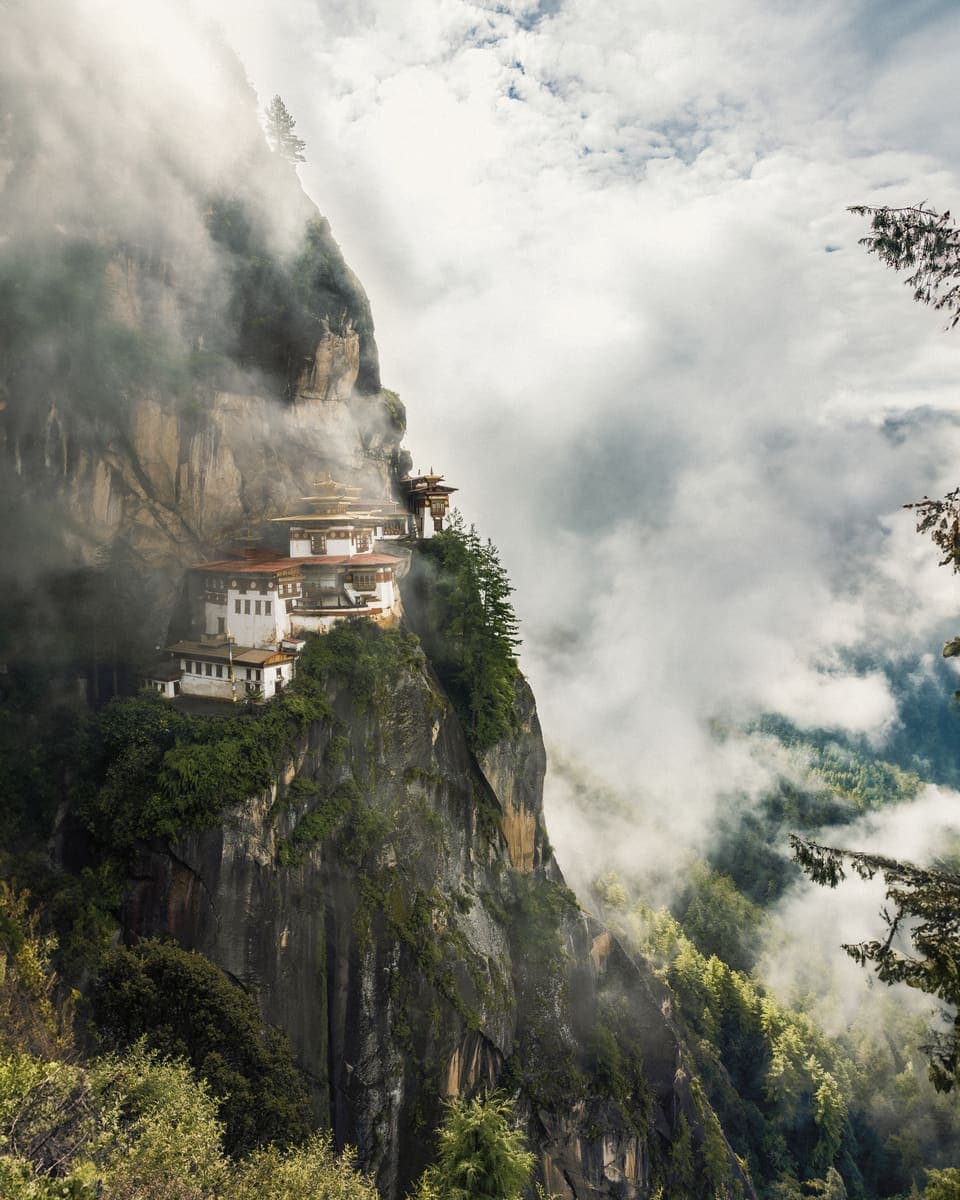
Many sacred sites in Bhutan are connected with Guru Rinpoche, including the famous Tiger’s Nest story in Paro.

1616

Zhabdrung Ngawang Namgyal arrives in Bhutan

Zhabdrung Ngawang Namgyal laid the foundation for Bhutan’s unified religious, political, and cultural identity.

1907

Beginning of the Wangchuck monarchy

The Wangchuck dynasty began Bhutan’s hereditary monarchy, creating a stable national foundation for the country’s modern story.

1953

National Assembly established

The creation of the National Assembly was an important early step in modern governance and public participation.
1972

Gross National Happiness becomes Bhutan’s guiding idea

The Fourth King’s development philosophy helped Bhutan become globally known for valuing wellbeing, culture, environment, and good governance.

1999

Television and internet introduced

Bhutan entered the television and internet era relatively late, making its modern transition especially memorable.

2006

The Fourth King abdicates in favour of the Fifth King

The voluntary abdication became part of Bhutan’s peaceful transition story and prepared the country for a new democratic era.

2007-2008

First parliamentary elections

Bhutan held its first National Council and National Assembly elections, giving citizens direct participation in the country’s new democratic system.

2008

Constitution adopted and democracy begins

Bhutan became a democratic constitutional monarchy, combining the monarchy’s constitutional role with elected parliamentary government.

2023

Gelephu Mindfulness City announced

His Majesty The King presented GMC as a future-facing national vision linking mindful development, sustainability, opportunity, and Bhutanese values.

GMC is Bhutan’s new vision for mindful growth, innovation, and opportunity.

Gelephu Mindfulness City adds a future-facing chapter to Bhutan’s story: a country known for tradition and nature also planning a mindful, innovative city for the future.

Gelephu Mindfulness City vision and southern Bhutan landscape
© Unseen Himalayas
01
National Vision

A mindful economic hub

GMC is envisioned as a new model of development connecting prosperity with mindfulness, culture, sustainability, and national resilience.

Rooted in Bhutanese values and GNH principles.
Designed to balance economic growth with environmental stewardship.
Aims to create opportunity while protecting Bhutan’s identity.
02
Location

Southern Bhutan gateway

Located in southern Bhutan near the India border, GMC is positioned as a strategic gateway linking Bhutan with wider regional opportunities.

Gelephu’s location gives it regional connectivity potential.
The vision includes business, innovation, wellness, and sustainable urban design.
It represents Bhutan’s future-facing development chapter.
03
Tourism Relevance

A future story travelers will ask about

For visitors, GMC adds a modern dimension to Bhutan’s story: tradition and nature alongside a mindful, innovative city for the future.

A meaningful experience about Bhutan's unique development philosophy and Gross National Happiness.
Explores how Bhutan measures progress beyond economic growth.
Illustrates the country's efforts to embrace modern development while staying rooted in its cultural heritage.

Tradition is not preserved behind glass. It is part of daily life.

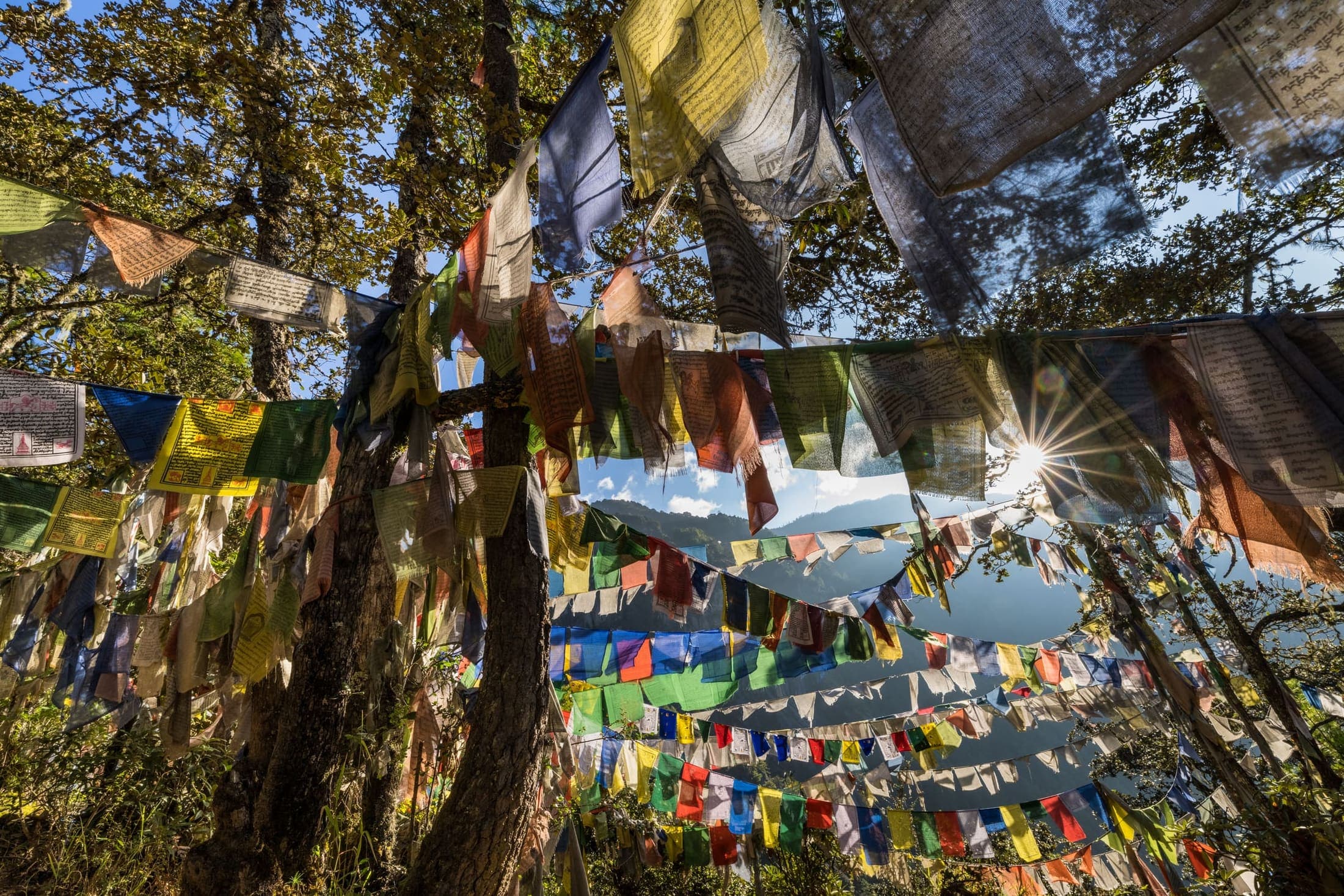
Bhutan’s identity is visible in its dzongs, monasteries, national dress, festivals, architecture, food, language, prayer flags, and community rituals.

Prayer flags on bridges, mountain passes, and ridgelines
Dzongs and monasteries that remain active community spaces
Traditional dress worn during work, school, festivals, and ceremonies
Festivals where faith, dance, music, and community come together
Architecture that reflects Bhutanese identity across towns and valleys
A national identity built around Druk Yul, the Land of the Thunder Dragon
A development story connected with Gross National Happiness
Bhutanese dzong, monastery, or cultural scene
© Teo Chin Leong

Things travelers often find surprising.

01

Television Arrived Late

Bhutan introduced television relatively late compared with many countries, helping preserve its slower cultural rhythm for longer.

02

Strict Tobacco Controls

Bhutan is known for strong tobacco restrictions and public-health-focused policies.

03

Environmental Priority

Bhutan places unusual emphasis on conservation, forest protection, and careful development.

04

Gross National Happiness

Bhutan is famous for Gross National Happiness, which values wellbeing beyond economic growth alone.

05

Highest Unclimbed Peak

Gangkhar Puensum is widely known as the highest unclimbed mountain in the world.

06

No Traffic Lights in Thimphu

Thimphu is often noted for its human traffic police instead of conventional traffic lights.

Small details that make Bhutan memorable.

01

Hydropower Matters

Clean hydropower is an important part of Bhutan’s economy and regional energy relationship.

02

Traditional Architecture

Buildings often follow Bhutanese architectural principles, giving towns and valleys a distinct visual identity.

03

Chilies Are a Main Ingredient

In Bhutan, chilies are often treated like a vegetable, not just a spice.

04

Black-Necked Cranes

Phobjikha Valley is famous for black-necked cranes, which arrive in winter and are deeply respected locally.

05

Prayer Wheels

Prayer wheels are spun clockwise as an act of devotion, carrying mantras and blessings through movement.

06

Suspension Bridges

Bhutan’s long suspension bridges connect valleys, villages, monasteries, and riverbanks with dramatic views.

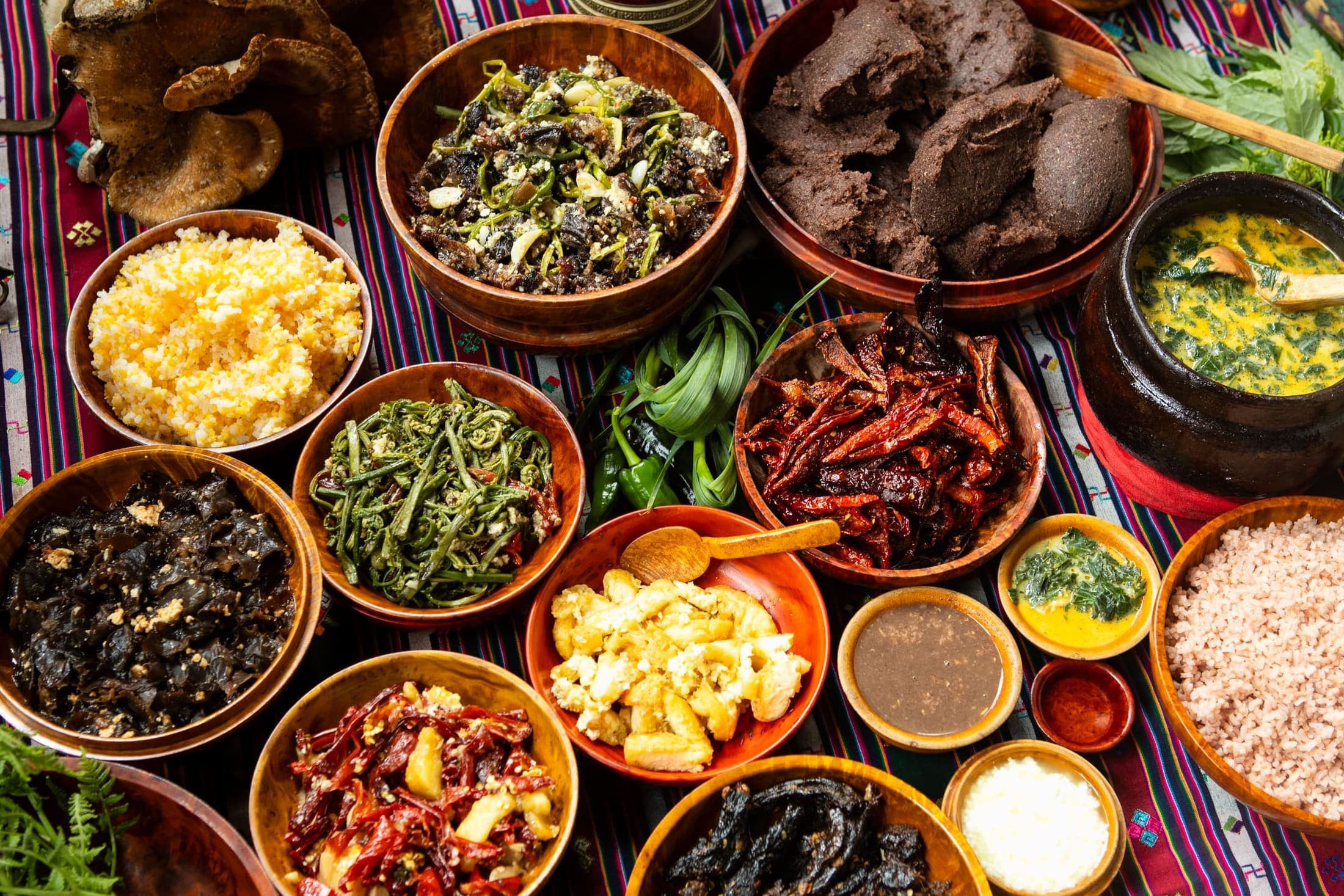
Traditional Bhutanese food
© Carissa Nimah

Bhutanese cuisine is bold, warm, and memorable.

Bhutanese food is known for chilies, cheese, red rice, hearty flavors, and simple meals that reflect mountain life and local produce.

01

Bold Chili Flavor

Bhutanese food is known for heat, warmth, and strong chili-based flavors.

02

Ema Datshi

Ema Datshi, made with chilies and cheese, is one of Bhutan’s most iconic dishes.

03

Red Rice

Bhutanese red rice is a local staple and is often served with traditional meals.

04

Butter Tea

Suja is a traditional salty butter tea, commonly enjoyed in Bhutanese homes and highland areas.

05

Kewa Datshi

A comforting potato and cheese dish that is popular with visitors who prefer milder flavors.

06

Momos

Dumplings are widely enjoyed in Bhutan and are served with spicy ezay chili condiment.

Plan Your Bhutan Journey

Connect with us

Custom itineraries

Hotel assistance

Private and group tours

Private transportation

Private guide