
Sustainable Development
Economic progress that supports wellbeing without ignoring culture, community, and environment.
Gross National Happiness, or GNH, is Bhutan's holistic development philosophy. It values wellbeing, culture, environment, good governance, and balanced progress alongside economic growth.
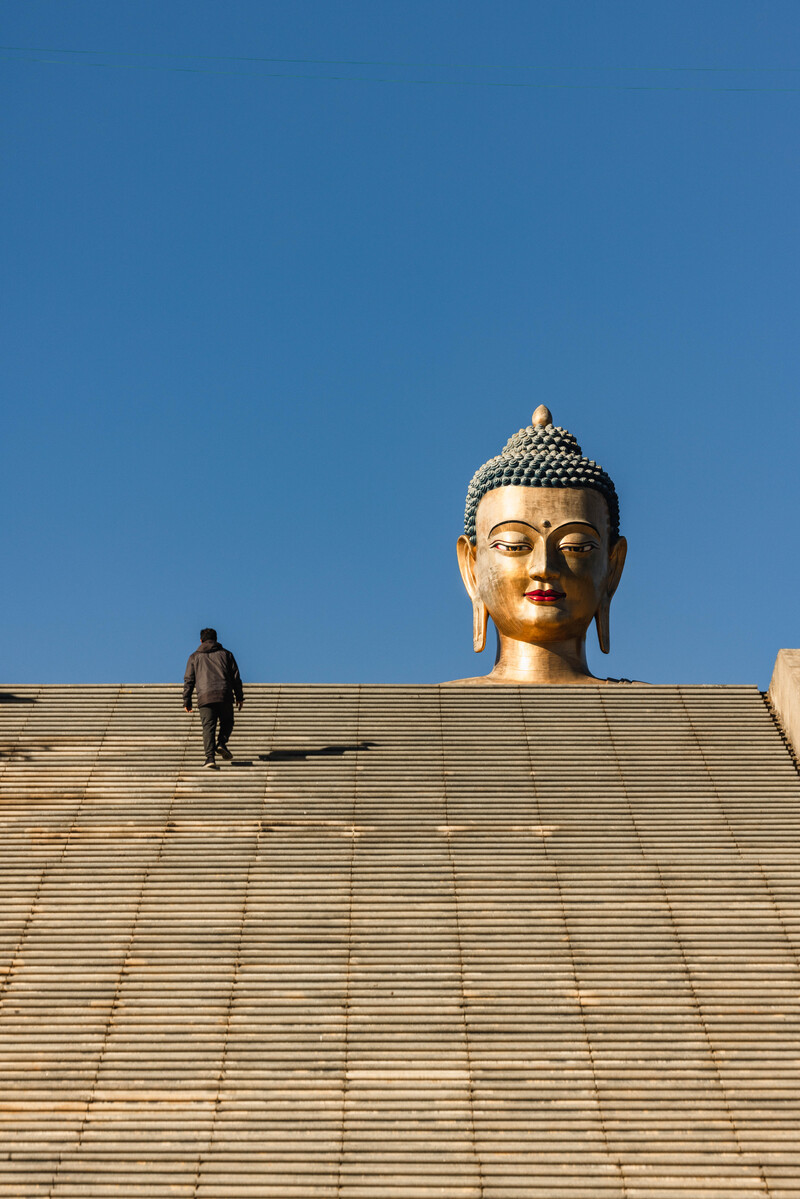
Core Idea
While many countries measure progress mainly through economic output, Bhutan became known for asking a deeper question: whether development improves people's wellbeing, strengthens communities, preserves culture, and protects the environment.
GNH does not reject economic growth. Instead, it encourages progress that remains balanced, sustainable, culturally grounded, and meaningful for people's lives.
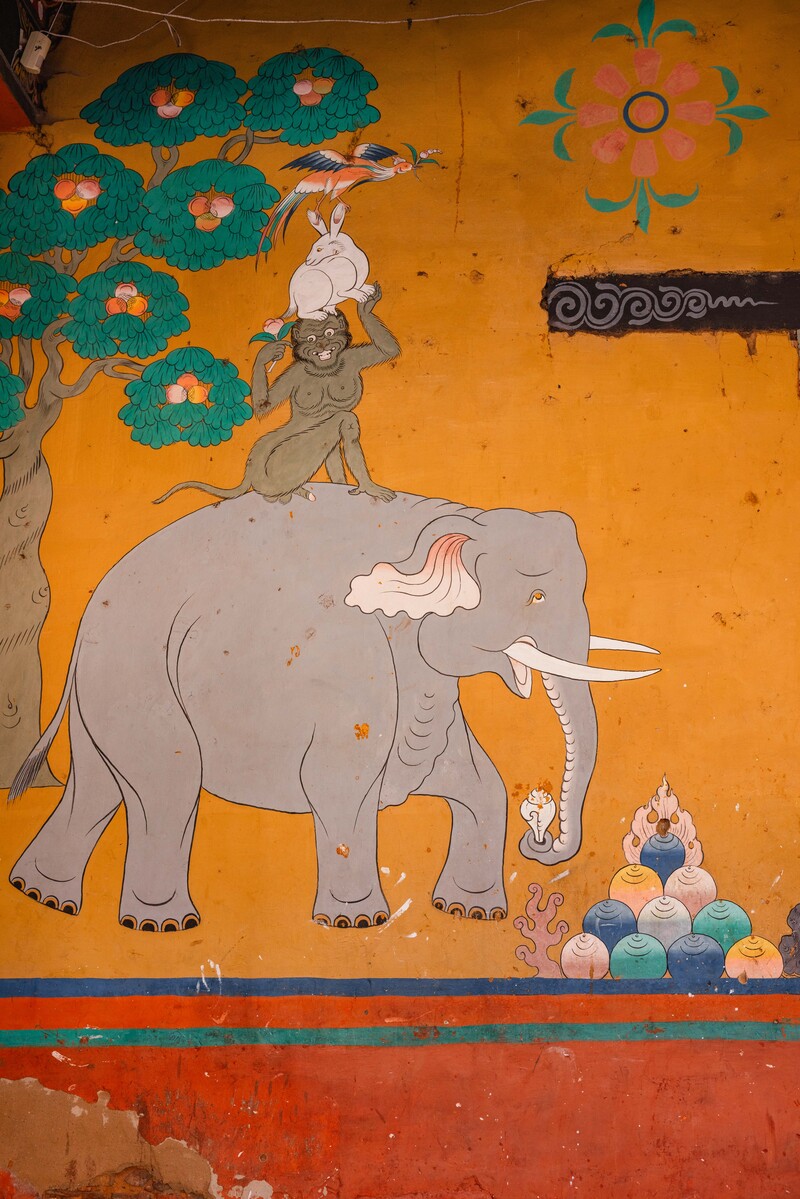
These pillars guide Bhutan's approach to development and help keep progress connected to people, culture, and nature.
Economic progress that supports wellbeing without ignoring culture, community, and environment.
A focus on responsible decision-making, public service, and trust in institutions.
Protecting Bhutanese identity through language, architecture, festivals, values, and living traditions.
Keeping nature central to national identity, policy, and future planning.
GNH looks at wellbeing from many angles, not only income or economic productivity.
Mental balance, life satisfaction, and emotional wellbeing.
Balance between work, rest, family, and personal life.
Relationships, trust, social support, and community life.
Participation in traditions, language, customs, and festivals.
Trust, participation, public services, and institutional quality.
Physical wellbeing, healthcare access, and healthy living.
Knowledge, skills, literacy, and lifelong learning.
Environmental quality, awareness, and conservation.
Housing, income, security, and material wellbeing.
Nature conservation remains a major part of Bhutan's national identity and policy direction.
Traditional arts, festivals, architecture, dress, and rituals remain visible in everyday life.
Wellbeing includes access to health services and attention to quality of life.
Education supports knowledge while also keeping Bhutanese identity and values alive.
The philosophy encourages balance, community, spiritual grounding, and a slower pace of life.
Bhutan's development story is closely connected with responsible use of natural resources.
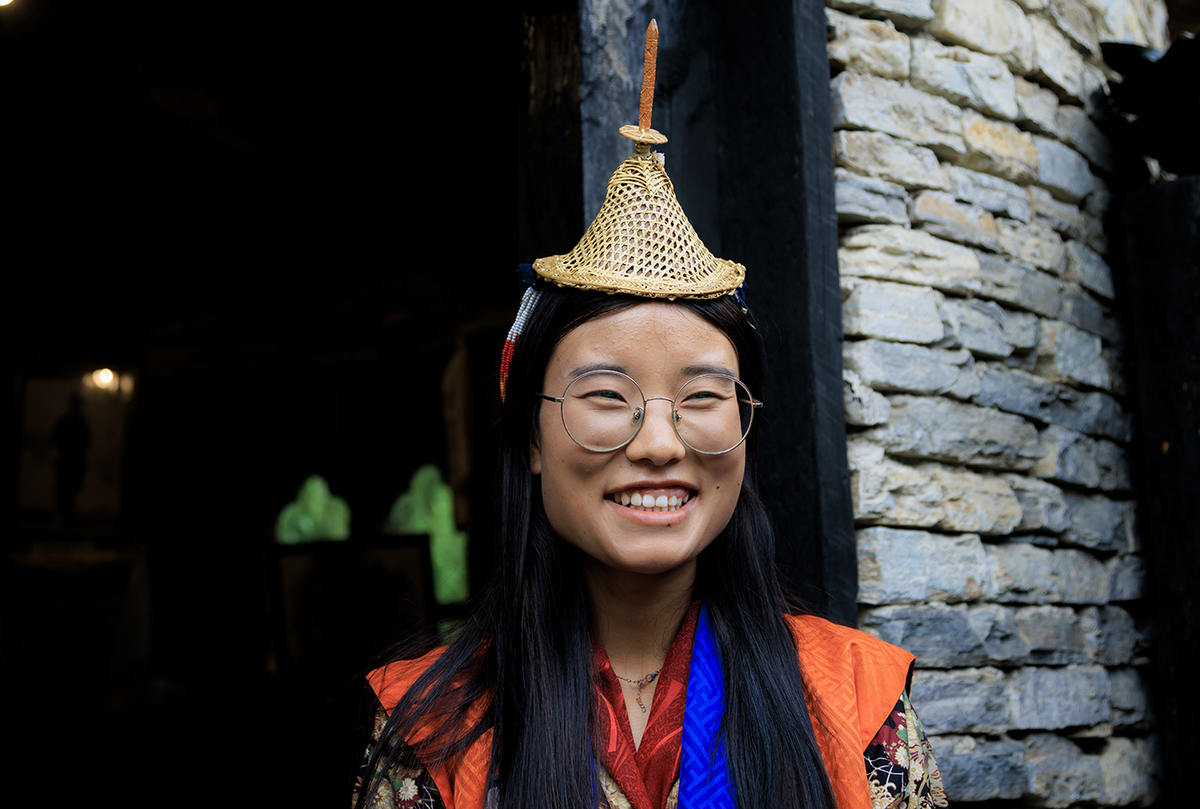
Bhutan's GNH philosophy has influenced discussions around wellbeing, sustainable development, happiness, and alternative ways of measuring progress.
Gross National Happiness is Bhutan's holistic development philosophy. It values wellbeing, culture, environment, governance, and balanced progress rather than focusing only on economic growth.
No. GNH is broader than a mood or emotion. It is about conditions that support a meaningful, balanced, and dignified life.
Yes. Visitors can experience the spirit of GNH through local communities, cultural practices, monastery visits, nature, responsible travel, and Bhutan's slower pace of life.
Tourism in Bhutan is shaped by the idea that travel should be meaningful, respectful, sustainable, and beneficial to local communities.
Custom itineraries
Hotel assistance
Private and group tours
Private transportation
Private guide